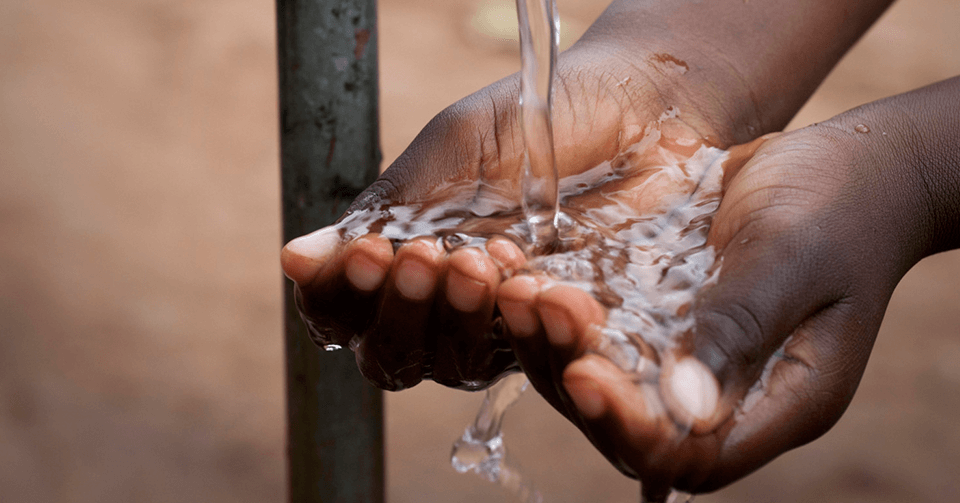
Over the past century, unclean water, poor sanitation and unsafe hygiene practices have claimed more lives than anything else. OFDAR works with communities to develop access to safe drinking water and adequate sanitation facilities, as well as implement better hygiene practices.
Polluted water and poor sanitation practices spread diseases such as diarrhoea, cholera and malaria. These can cause extensive short and long-term health impacts. Clean water, adequate sanitation facilities and better hygiene practices can prevent the spread of disease and even improve nutrition, as people are able to grow more crops when water is readily available.
We believe that water is most basic necessity of life and that everyone should have access to clean, drinking water. Collecting water is one of the most laborious tasks in many developing countries, and the task of trekking many hours to collect it often falls to women and girls. Providing easy access to clean water means that girls are able to attend school instead of spending hours collecting water. By supporting poor communities to have increased access to water through the construction of boreholes, wells and dams, this helps improve water quality, sanitation, and hygiene.


